PepsiCo Reports 94% Deforestation Free Sourcing
PepsiCo’s deforestation-free sourcing reached 94% for high-risk commodities in company-owned and -operated activities by the end of 2025.
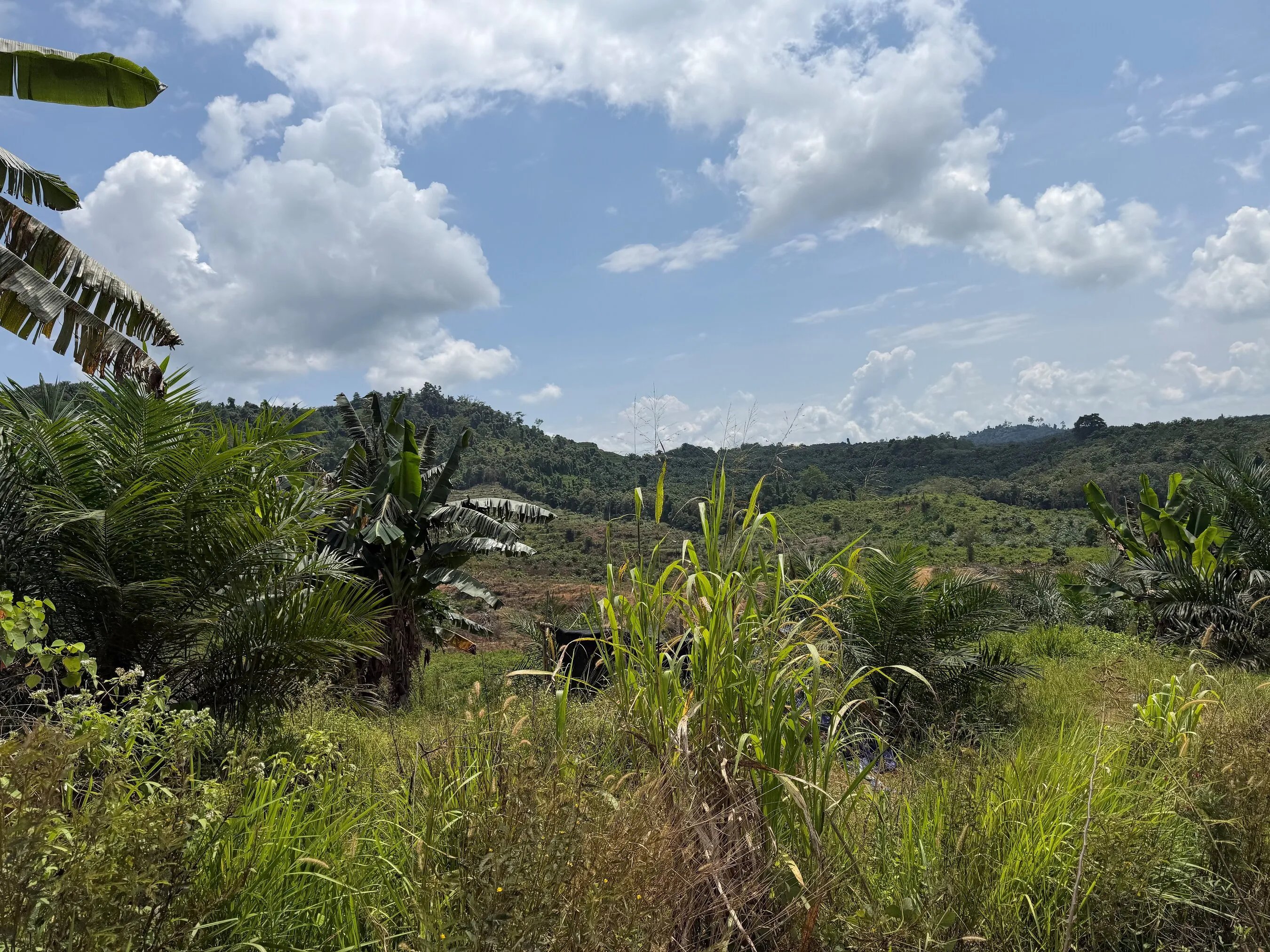
PepsiCo reported that 94% of its sourcing for high-risk commodities in its company-owned and -operated activities was deforestation-free by the end of 2025. The result marks progress toward the company’s goal of deforestation- and conversion-free sourcing by 2030. Its in-scope commodities include palm oil, fiber packaging, sugarcane, soybean oil and cocoa. The company is also using Satelligence satellite monitoring to increase supply-chain visibility and detect potential deforestation.
Commodity Sourcing Results
PepsiCo reported 77% deforestation-free sourcing for palm oil, with 100% of volumes covered by Roundtable on Sustainable Palm Oil certification. Fiber packaging reached 99.5% deforestation-free sourcing, with 100% of reported volume traceable to mill, while sugarcane reached 95% deforestation-free sourcing, with 97% traceable to the first point of aggregation.
Soybean oil reached 99.7% deforestation-free sourcing, with 100% traceable to refinery. Cocoa reached 59% deforestation-free sourcing, with 77% traceable to country of origin.
Jim Andrew, Chief Sustainability Officer and Executive Vice President at PepsiCo, said:
“This is an important step in our work that reflects the meaningful progress and efforts with multiple stakeholders across our value chain. We also know there is more work ahead. Deforestation and natural ecosystem conversion are complex, systemic challenges, and we remain focused on supporting efforts to protect forests and natural ecosystems and working toward our deforestation- and conversion-free goal.”
Traceability And Monitoring
In 2025, PepsiCo focused on identifying the origins of in-scope ingredients and materials, using satellite monitoring and working with industry groups and other stakeholders. The company also maintains a supply-chain grievance mechanism for third parties to raise environmental and social concerns.
The mechanism involves engaging relevant suppliers to assess allegations, review corrective actions and monitor progress.
Rob Meyers, Vice President, Global Agriculture at PepsiCo, said:
“The momentum we're seeing across many sourcing regions demonstrates that progress is possible when companies, suppliers, producers and other stakeholders work together in shared landscapes. While significant challenges remain, we believe collaboration, shared learnings, innovation and greater transparency can help drive meaningful change,”
Industry Collaboration
PepsiCo works with suppliers, smallholder farmers, industry peers and other stakeholders through initiatives including the Consumer Goods Forum Forest Positive Coalition of Action, Palm Oil Collaboration Group, Rimba Collective, Sugarcane Collaboration Group and Forests Forward.
Rimba Collective aims to deliver $1 billion for forest protection and restoration in Southeast Asia over 30 years. The program seeks to protect and restore more than 1 million acres of tropical forests while supporting local economic development and job creation through long-term conservation financing.
Continuing Toward 2030
PepsiCo said industry-aligned methodologies are under development for conversion-free sourcing for most ingredients, while differing approaches among industry groups can lead to year-to-year fluctuations in progress. The company plans to continue work toward its 2030 ambition and assess the scope and timing of future reporting on conversion-free sourcing efforts.