Pinea Pi Sets Kickstarter Window for Edge AI Nodes
Pinea Pi edge AI nodes are set for Kickstarter, featuring local inference, MiniCPM models and up to 275 TOPS of AI performance.
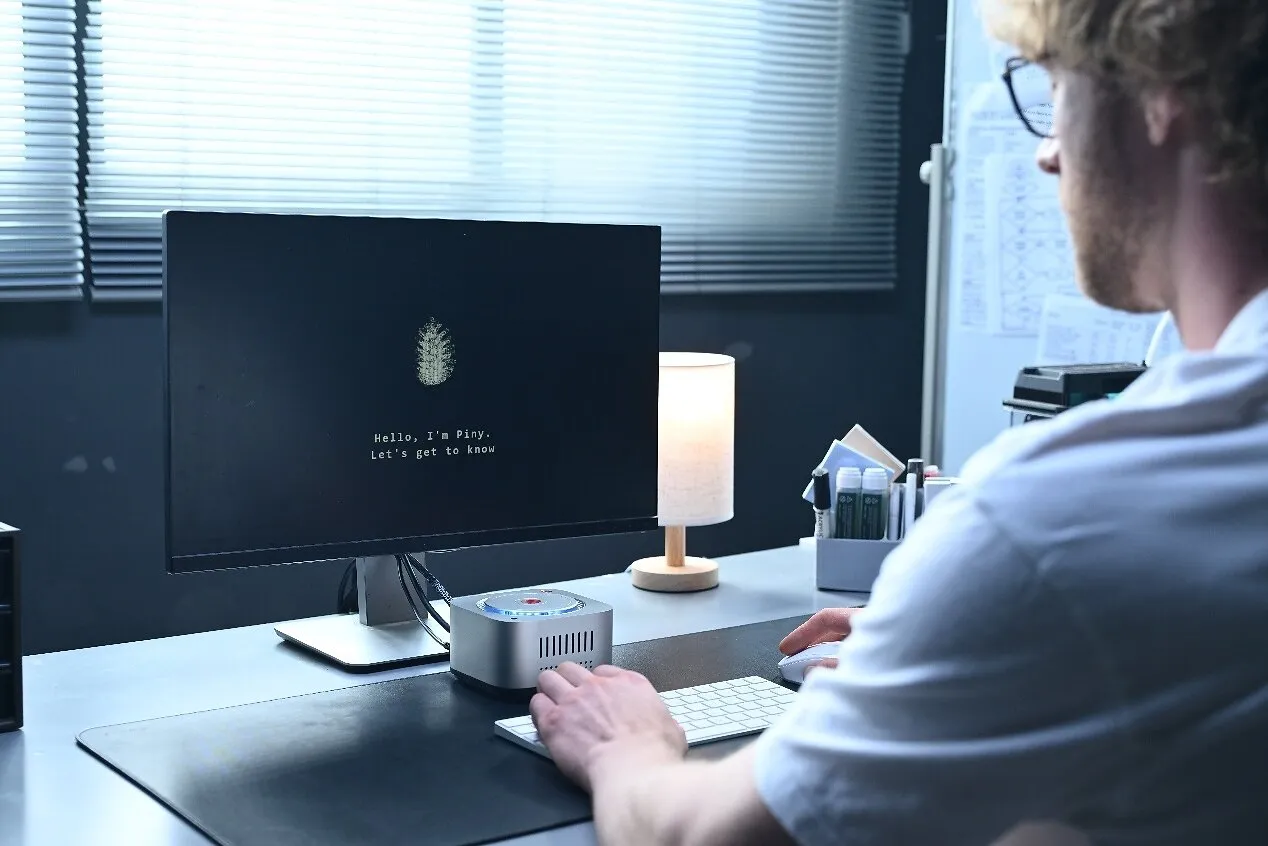
Pinea Pi has outlined the technology behind its edge AI node ahead of a Kickstarter campaign scheduled from late September to late October 2026. Beginning in late August, early supporters can reserve a unit with a $30 deposit. The company’s Pinea Pi Pro is designed to deliver 275 TOPS of NVIDIA AI performance, while Pinea Pi Lite offers up to 180 TOPS of Intel performance in an all-metal desktop node. Both systems are built to run AI workloads locally, with Ubuntu and a software stack centered on the MiniCPM model family.
Three Native Capabilities
Pinea Pi presents its product design around agent-native, multimodal-native and edge-native capabilities. The agent-native approach uses natural language to alter hardware behavior, activate functions such as cameras and microphones, and coordinate skills and workflows without requiring code.
Its multimodal configuration combines an integrated camera, microphone array and speakers with pre-installed MiniCPM edge models. The company says this supports text, visual understanding, full-duplex real-time interaction and 48kHz speech synthesis.
Local AI Processing
The edge-native component keeps inference on the device rather than sending data elsewhere. A light ring serves as a real-time privacy indicator, while a dedicated offline switch is intended to keep the device operating without an internet connection.
The Pro model is positioned for robotics and embodied intelligence, while the Lite model is aimed at desktop use. Pinea Pi says both products avoid token fees and subscription lock-in through local processing.
Companion and Ecosystem Stack
Pinea Pi’s built-in AI companion, Piny, uses the MiniCPM model family to recognize its owner by face and voice. The company says its personal memory system is editable, auditable and exportable.
For ecosystem partners, Pinea Pi is positioning its hardware as a reference design for edge intelligence, using a unified protocol, runtime and model stack intended to let different form factors use the same intelligence stack. The company’s core model capabilities draw on the MiniCPM series from the OpenBMB open-source community.
A Hardware Route to Edge AI
With its planned Kickstarter launch, Pinea Pi is bringing a local-first AI hardware proposition to early supporters. Its Pro and Lite systems are intended to offer different performance options while relying on the same MiniCPM-centered edge AI software stack.