Courtroom 600 Program Marks Nuremberg Verdict Anniversary
Courtroom 600 marks the 80th anniversary of the Nuremberg verdicts with a free Oct. 1 program at The Newberry.
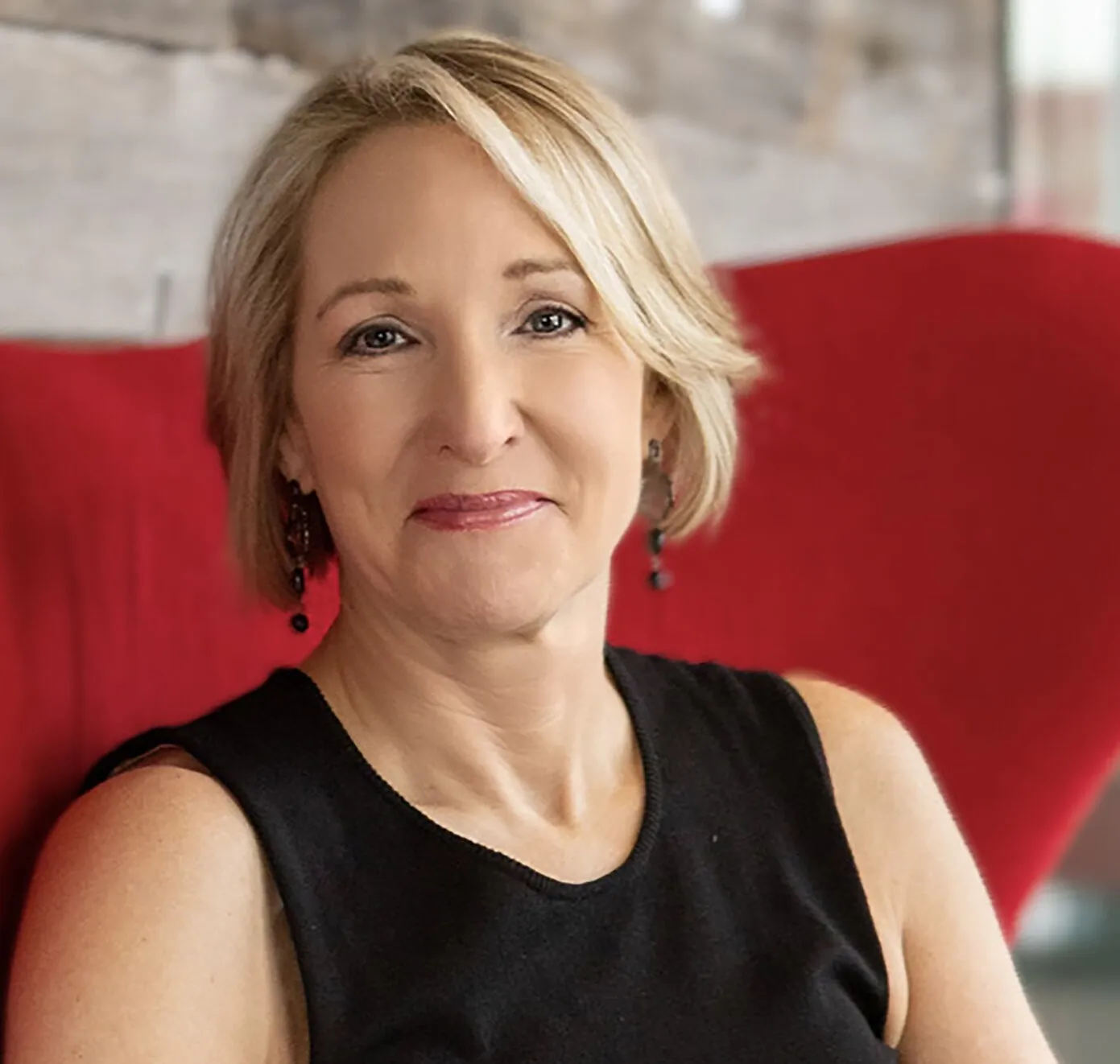
Laurie Pasler, founder of Descendants Media Group and Project Director of Courtroom 600.
Courtroom 600 Project Director Laurie Pasler will join Northwestern University historian Daniel Greene for a free Oct. 1 program at The Newberry marking 80 years since the International Military Tribunal read its Nuremberg verdicts. “Nuremberg at 80: A Chicago Family’s Connection to the Trial” will run from 6 to 7 p.m. in Ruggles Hall. Pasler will draw on photographs, diaries and documents preserved by her father during his U.S. Army service in prison administration at Nuremberg. Artifacts from her collection will be displayed before the event, for which advance registration is required.
A Family Archive Opens
Pasler’s collection became the foundation for Courtroom 600, which is named for the room where the Nuremberg trials took place after World War II from 1945 to 1949. Her father also served as a counterintelligence agent during the first Nuremberg trial.
Laurie Pasler, founder of Descendants Media Group and Project Director of Courtroom 600, said:
“My father worked at Nuremberg and never told us. Eleven years ago, after losing him, I inherited his U.S. Army documents, photographs, and memorabilia. That discovery led me to found Descendants Media Group and create Courtroom 600—to teach World War II through the lens of accountability. On this historic anniversary, I reflect on the trials' legacy and echoes from the past that continue to ring true today.”
Primary Sources For Classrooms
Courtroom 600 uses Pasler’s archive and the trial record to help students examine the tribunal’s evidence. The virtual museum includes more than 300 curated Nuremberg primary sources, most of which had not previously been available online, and has reached audiences in more than 55 countries.
The grades 7 through 12 social studies curriculum is organized around the four counts of the Nuremberg indictment. It uses the trial record to connect Nazi racial ideology, rooted in antisemitism, with the war in Europe and genocide, while asking students to examine evidence and reach their own conclusions.
Don Fulmer, Social Studies Department Chair at Lake Park High School, said:
“The Nuremberg record is irrefutable. When students hold the same evidence the prosecutors presented, the atrocities stop being abstract, and they understand what happens when hateful ideology is put into action,”
Educator Fellowship Plans
A recent workshop for The National WWII Museum in New Orleans brought together 65 educators from 31 states. Participants rated the curriculum 4.7 out of 5 for likelihood of classroom implementation, consistent with earlier programs in New York, Nebraska and Illinois. Among surveyed students, 97% recognized that Jews were central to Hitler’s war plans.
Courtroom 600 plans to launch a National Educator Fellowship in January 2027 with a recently awarded $25,000 grant from a Chicago Jewish family foundation. Six secondary social studies teachers will pilot the curriculum and each train three colleagues, reaching 24 educators in the fellowship’s first year.
Expanding Educational Programs
Descendants Media Group is also developing Response Ready, a pilot lesson for Jewish students in grades 7 and 8 that traces antisemitic accusations from the Middle Ages to present-day memes and coded online language. The lesson will pilot this fall in five Chicago-area Jewish day schools and congregations, with support from the Jewish United Fund of Metropolitan Chicago and the Jewish Federation of Omaha.
On Oct. 11, WGN-TV’s Backstory with Larry Potash will profile Courtroom 600 in a feature filmed at Lake Park High School. The organization is also scheduled to present a workshop at the National Council for the Social Studies Annual Conference in Chicago in December.
A Public Anniversary Program
The Oct. 1 Newberry event brings Pasler’s family archive into a public conversation about the Nuremberg trials and the record they established. The program offers Chicago attendees an opportunity to view artifacts connected to the trial and hear how those materials have informed a classroom curriculum centered on evidence and accountability.