Burjeel Roundtable Puts Focus on Women’s Health
Burjeel Holdings convened a New York roundtable on investment, technology and integrated models for women’s health care.
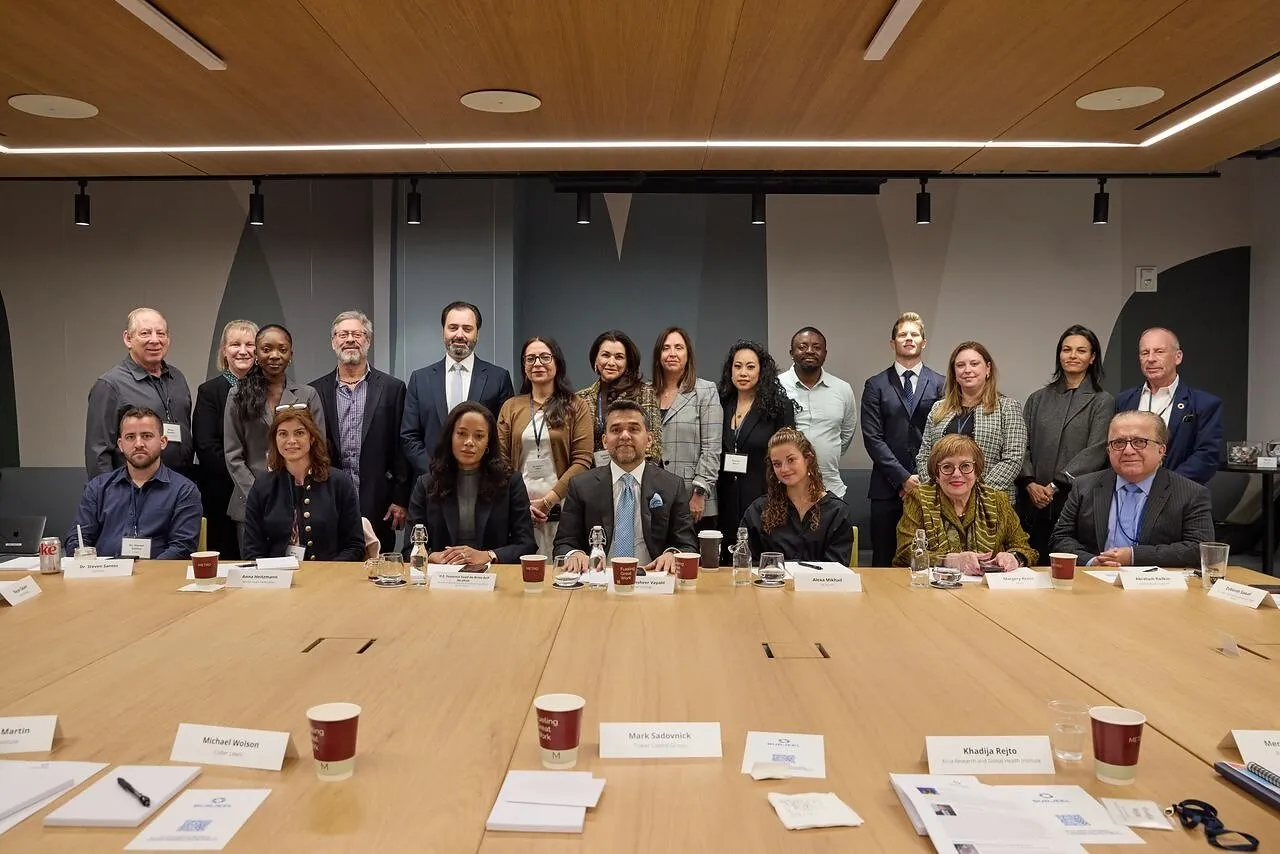
Burjeel Holdings brought together 23 leaders from healthcare, investment, philanthropy and multilateral organizations in New York to examine the global women’s health gap. The roundtable, “The $1 Trillion Case for Women’s Health,” was held during the 81st United Nations General Assembly week. Participants discussed investment, technology and integrated care models, alongside the World Economic Forum’s estimate that the gap could exceed $1 trillion annually by 2040 if left unaddressed. The discussion also previewed collaborative initiatives in Saudi Arabia that could be adapted for markets across Africa and the wider Global South.
A Lifelong Care Model
The roundtable examined women’s healthcare as a connected, lifelong priority spanning prevention, diagnostics, cardiovascular health, cancer, reproductive health, menopause and midlife care. Burjeel Holdings presented its clinical experience as an example of targeted investment in women’s healthcare, pointing to a decline in cervical cancer cases at Burjeel Cancer Institute in the UAE over the past two years.
HRH Ambassador Reema Bandar Al-Saud, Ambassador of the Kingdom of Saudi Arabia to the United States, said:
“It begins with knowledge and prevention. It begins with creating an environment where women feel comfortable speaking about their health and asking for the care they need. But today, that conversation has to go much further. We have to invest in women everywhere. Women's physical and mental health and overall well-being are interconnected, and our approach to care has to be, too. No nation can ask half of its people to contribute to its future and then leave their healthcare to chance.”
Investment and Measurable Results
Participants identified sustained investment in women’s health systems, wider adoption of technology across care delivery, and care models with demonstrated results as three requirements for narrowing the gap. The group’s proposed work in Saudi Arabia includes an integrated model for women’s health delivery.
Dr. Shamsheer Vayalil, Chairman, and CEO of Burjeel Holdings, said:
“Women's health has been under-researched, underfunded, and too often treated as episodic rather than lifelong. Prevention is key, alongside diagnostics, cardiovascular health, cancer, reproductive health, menopause and midlife care, and so much more. Any model implemented needs to be evidence-based, culturally relevant, with trusted, measurable success. Only then will progress be seen.”
Ms. Khadija Rejto, Chair of Global Health at the Atria Research and Global health Institute, shared:
“Investors have long treated women's health as a niche despite it being one of the fastest growing sectors in the world.”
Building Scalable Health Systems
Burjeel Holdings’ New York discussion placed women’s health care delivery alongside the economic case for sustained investment. With initiatives under development in Saudi Arabia and potential applications in other markets, the group positioned integrated, evidence-based care as a practical focus for the work ahead.