Utility Survey Finds AI Reshaping Grid Planning
Utility Innovation Survey finds 78% of U.S. utility leaders use AI applications to manage interconnection demand and data center growth.
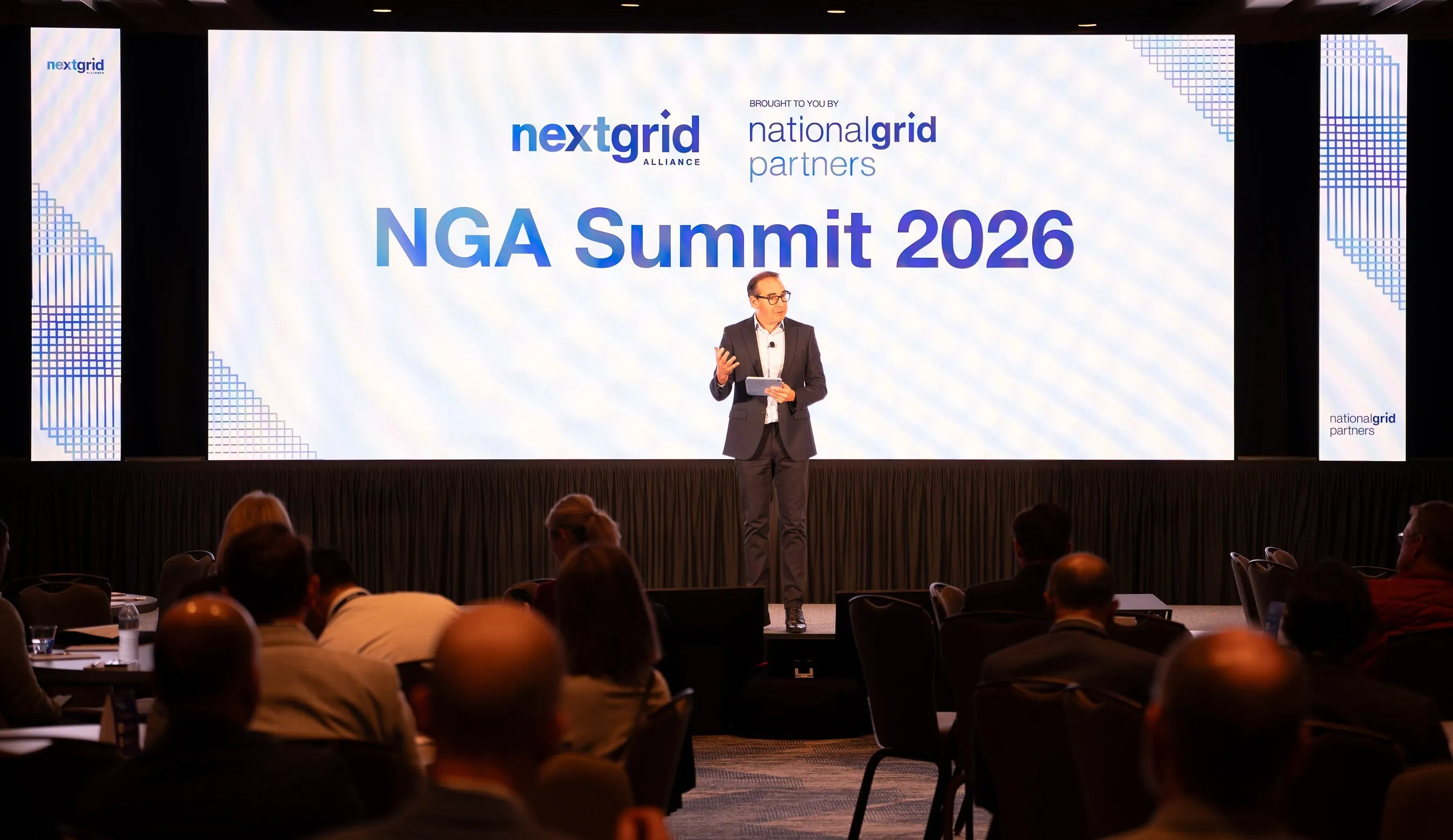
National Grid Partners has released its third annual Utility Innovation Survey, finding that 78% of U.S. utility innovation leaders are deploying or operationalizing at least one artificial intelligence application to manage interconnection demand. The survey of 134 leaders also found that 74% believe AI-driven data center load growth is affecting grid reliability. Results were unveiled at the fourth annual NextGrid Alliance Summit in Boston, where leaders from more than 50 utilities gathered to discuss innovation. Reliability has now surpassed net-zero goals as a top organizational priority, with 73% ranking it among their top three concerns.
Reliability Takes Priority
The survey points to an industry balancing rising electricity demand with the operational demands of a more data-intensive economy. The share of respondents placing reliability in their top three organizational priorities rose to 73% in 2026 from 43% in 2025, while net-zero goals declined from 54% to 16%.
Pradeep Tagare, Interim President at National Grid Partners, said:
“The rapid growth of AI data centers is creating new operational and financial pressures for our industry, but AI also can be a significant part of the solution,”
Innovation budgets are rising, with 72% of utility leaders reporting an increase this year. Yet deployment remains a hurdle: 84% of organizations now take more than a year to move projects from pilot to full rollout, compared with 78% in 2025 and 66% in 2024. Respondents cited a shortage of AI-skilled workers and the sector’s cautious culture, while 59% of innovation spending goes toward incremental improvements and 16% toward transformational initiatives.
Data Center Costs And Regulation
Regulatory structures emerged as another major constraint. Eighty-seven percent of surveyed leaders said returns on innovation investments are limited by regulatory and rate-case frameworks developed before the current AI-driven demand boom. Meanwhile, 83% said the costs of infrastructure built to serve AI data centers are being passed on to residential customers through higher electricity bills.
National Grid recently became a founding member of the AI Energy Management Alliance, alongside Google, NVIDIA, Anthropic, Emerald AI, RWE, Constellation and NRG. The consortium will push for policies that encourage flexible data centers, which can automatically reduce power usage during periods of peak demand and buffer surrounding communities from price spikes.
Emerald AI, a National Grid Partners portfolio company, led a pilot in the UK with National Grid and NVIDIA last December. The pilot found that AI software could cut data center energy use during simulated grid strain by more than a third in under a minute while still protecting the data center’s most critical workloads.
Startup Investment Continues
The survey found a growing willingness among utilities to work with emerging technology companies. The share of respondents whose companies partner with startups rose to 34% in 2026 from 28% last year, while only 1% reported having no plans to work with early-stage technology firms.
At the summit, National Grid Partners announced investments in Terragrit, a software platform for simulating changes to physical operations, and LineVision, whose grid intelligence platform helps utilities improve resilience and expand capacity without costly new infrastructure. Since its 2018 launch, National Grid Partners has surpassed $600 million in total investment.
Innovation And Utility Demand
National Grid Partners conducted the survey online between May 20 and July 7, 2026, with responses from 134 utility innovation leaders in the United States. The findings show utilities increasing AI deployment and startup partnerships while reporting longer project rollout timelines and mounting concerns around reliability, regulation and infrastructure costs.
Pradeep Tagare, Interim President at National Grid Partners, said:
“By working with startups and scaling proven innovation, utilities can better manage demand, improve reliability and support economic growth while minimizing impact on local communities,”